
ABA principles: 4 ideas to use in daily routines
This isn't hard theory. These are four ideas you can bring straight into the routines you do at home every day.
What is ABA
ABA (Applied Behavior Analysis) is a way of looking at what happens before and after a behavior to set up an environment where learning is easier.
The key is to ask "how can we make this easier to do" instead of blaming with "why won't they do it." The four ideas below work in home routines just as they are.
1. Break it into small steps
"Get ready for school" is really many actions bundled together. When you break it into small actions you can see, like getting dressed, brushing teeth and packing a bag, your child only has to do one at a time. This is called task analysis.
2. Show it first
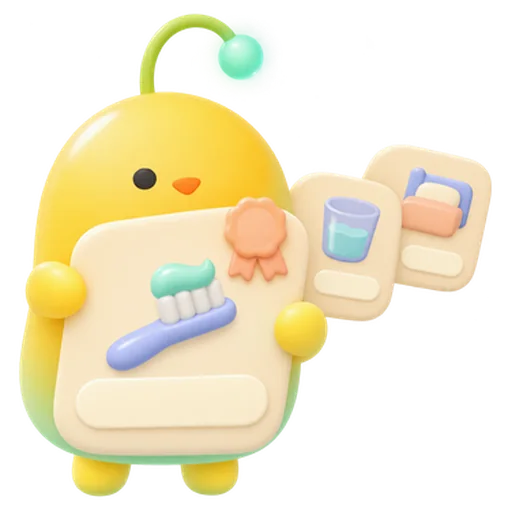
Showing what to do with a picture before it starts makes it easier to begin. When the next step is visible, changes feel less sudden. Action cards and a visual schedule do this job.
3. Help, then step back little by little
At first, point to the card or do it together. As your child gets used to it, give a little less help each time. The goal is for your child to look at the cards and keep going on their own, even when you're not right there.
4. Praise and reward right away
When something good follows right after an action, your child wants to do it again. The technical term is reinforcement. In ELUM, we call it a reward.
Praise right away, and be specific. "You brushed your teeth by yourself" is better than "good job." Choose a small reward you can give right away, and decide on it ahead of time.
How ELUM puts this into practice
- One action per card: the routine you write is broken into easy steps to follow
- Pictures and voice: short sentences are shown with a picture and read aloud
- Check marks and stars: each finished card brings a sound of praise and a star
- A reward the caregiver chooses: when the routine is done, the reward you set appears on screen
- You matter most: routines and rewards are set by the caregiver, who knows your child best
Frequently asked questions
Can only professionals do ABA?
If I give rewards, will my child stop when there's no reward?
Does using ELUM mean we're doing ABA?
This article is a guide for everyday routines. ELUM does not replace diagnosis or treatment.
Read next
 Task analysis: breaking routines into small stepsWhen "brush your teeth" is too much, break it down. Use task analysis to turn brushing, dressing and handwashing into action card steps, with examples.
 How to choose rewards: small, right away, decided aheadHow to choose a reward for finishing a routine: pick small rewards you can give right away, use a sticker or star reward chart, and fade rewards over time.